Freelancer Payment Flow
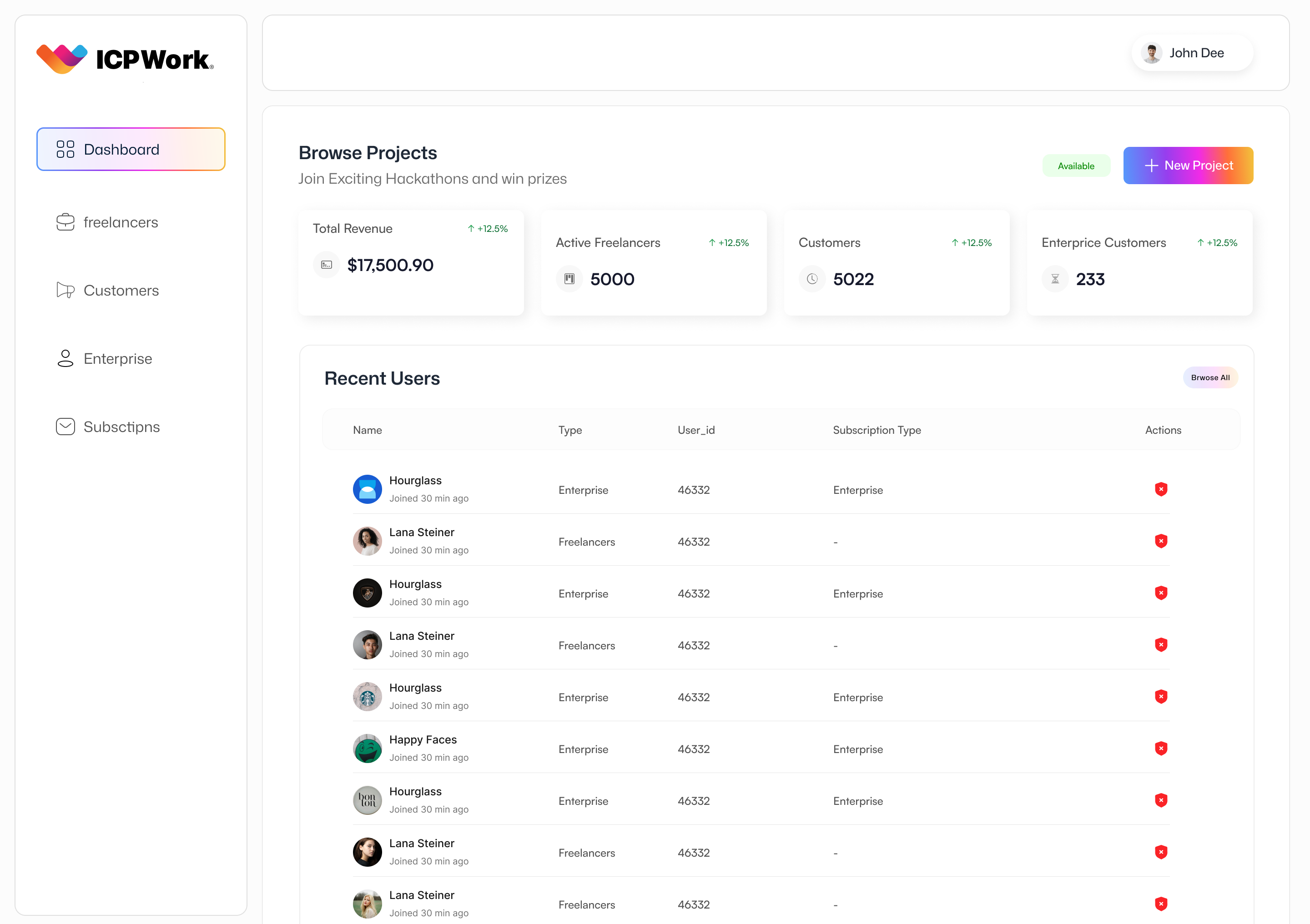
The Freelancer Payment Flow on the ICPWork platform is meticulously designed to ensure secure, transparent, and efficient transactions between clients and freelancers. Leveraging the inherent advantages of the Internet Computer Protocol (ICP), this system bypasses traditional banking intermediaries, reducing fees, accelerating payment times, and providing cryptographic proof of all financial interactions. The entire process, from project funding to final payout, is managed through smart contracts and decentralized escrows, offering unparalleled trust and reliability in the decentralized freelancing economy.
Strategic Importance
The strategic importance of a robust and transparent payment flow cannot be overstated in a freelancing platform. For freelancers, it guarantees that their work will be compensated fairly and promptly, building confidence and encouraging participation. For clients, it provides a secure mechanism to fund projects, knowing that payments are held in escrow until satisfactory completion, thereby mitigating risks. This decentralized payment system is a cornerstone of ICPWork's value proposition, fostering a trustless environment where both parties can engage in transactions without fear of fraud or delays. It also aligns with the Web3 ethos of financial sovereignty, giving users direct control over their funds.
Key Stages of the Payment Flow
The Freelancer Payment Flow typically involves several key stages, each secured by ICP's blockchain technology:
1. Project Funding and Escrow
When a client initiates a project and agrees upon terms with a freelancer, the client funds the project by depositing the agreed-upon amount into a decentralized escrow smart contract. This contract is deployed on the ICP and holds the funds securely until specific conditions are met. The funds are typically held in a cryptocurrency supported by the platform, such as ICP tokens or stablecoins. This step ensures that funds are available and committed, providing peace of mind for the freelancer before they begin work.
2. Milestone-Based Payments (Optional)
For larger projects, the payment flow can be structured around milestones. As each milestone is completed and approved by the client, a predetermined portion of the escrowed funds is released to the freelancer. This iterative payment approach ensures that freelancers are compensated progressively for their work, while clients maintain control and can verify deliverables at each stage. Smart contracts automatically execute these releases upon client approval, eliminating manual intervention and potential delays.
3. Project Completion and Final Release
Upon the successful completion of the entire project and final approval by the client, the remaining funds held in escrow are automatically released to the freelancer's wallet. This final transaction is recorded on the ICP blockchain, providing an immutable record of the payment.
4. Dispute Resolution (If Applicable)
In the event of a disagreement between the client and freelancer regarding project completion or quality, the escrowed funds remain locked. ICPWork's dispute resolution mechanism, potentially involving community governance or automated arbitration, would then be activated. Once a resolution is reached, the smart contract executes the payment according to the agreed-upon outcome.
5. Withdrawal and Conversion
Once funds are released to the freelancer's on-platform wallet, they can choose to withdraw them to an external cryptocurrency wallet or utilize the ICP Work Swap feature to convert them into other cryptocurrencies or potentially fiat currencies through integrated services. This provides flexibility and liquidity for freelancers to manage their earnings as they see fit.
Technical Implementation
The Freelancer Payment Flow is powered by several interconnected ICP canisters:
- Payment Escrow Canister: This core canister manages the smart contracts that hold funds in escrow, define release conditions, and execute payments based on project milestones and completion.
- User Wallet Canister: Manages individual user wallets on the platform, facilitating deposits, withdrawals, and internal transfers.
- Project Management Canister: Integrates with the escrow system to track project status, milestone approvals, and trigger payment releases.
- ICP Work Swap Canister: Facilitates the exchange of cryptocurrencies within the platform, offering conversion services.
The use of chain-key cryptography ensures the security and integrity of all transactions, while the reverse gas model means freelancers and clients don't need to manage cycles directly for transactions, simplifying the user experience.
Benefits of the Decentralized Payment Flow
- Enhanced Security: Funds are held in immutable smart contracts, protected from fraud and censorship.
- Transparency: All transactions are recorded on the public blockchain, providing verifiable proof.
- Reduced Fees: Eliminates costly intermediary fees associated with traditional payment processors.
- Faster Payouts: Payments are processed rapidly, often in minutes, compared to days or weeks with traditional systems.
- Global Accessibility: Accessible to anyone with an internet connection, regardless of banking status or geographic location.
- Trustless Environment: Minimizes the need for trust between parties through automated, verifiable processes.
Conclusion
The Freelancer Payment Flow is a critical differentiator for ICPWork, showcasing the power of decentralized technology to create a more equitable and efficient financial ecosystem for freelancers worldwide. By prioritizing security, transparency, and speed, ICPWork empowers both clients and freelancers with a payment system that is robust, reliable, and truly aligned with the principles of Web3.